Venice by train beats the crowded day tours. I like that this trip starts in Padua with a round-trip train included, so you’re not wrestling logistics before you even reach Venice. You’ll walk the quieter lanes between Cannaregio and the Jewish Ghetto with a local guide.
I also like the day’s flow. You’ll hit real neighborhood rhythms, from an espresso stop with a long-running recipe to a lunch of Venetian cicchetti at a traditional bacaro. And you’ll still get the big landmarks in San Polo and San Marco, including crossing the Rialto Bridge.
One consideration: this is a 7-hour-plus, mostly walking day, and the pace may feel less crisp if your group includes mixed languages that require translation. Wear comfy shoes, and plan to take breaks when the guide suggests them.
In This Review
- Quick Hits: What You’ll Enjoy Most
- Padua to Venice by Train: The Easiest Way to Start
- Cannaregio and the Jewish Ghetto: Venice That Feels Less Scripted
- San Polo’s Squares and Bacari Culture
- Rialto Bridge and Rialto Market: Classic Venice, With Direction
- A Quiet Grand Canal Viewpoint You’ll Actually Remember
- Piazza San Marco and the Bridge of Sighs: The Big Show, Timed
- Lunch and Cicchetti: How to Eat Like a Venetian (Without Stress)
- Ferry Back Toward the Station: Ending the Day on Water
- Price and Value: What You’re Paying For
- Group Size, Language, and Pace: The Part to Plan For
- Practical Tips That Make This Day Trip Feel Easier
- Should You Book This Venice from Padua Tour?
- FAQ
- How long is the Live Venice as a local departing from Padua tour?
- What’s included in the price?
- Is the Basilica of San Marco included?
- Do I need to cover my shoulders and legs?
- Is there any extra access fee for Venice?
- How big is the group?
Quick Hits: What You’ll Enjoy Most
- Padua-to-Venice by train makes the day feel smoother and less stressful
- Cannaregio and the Jewish Ghetto offer a calmer Venice mood than the main tourist strip
- Rialto Bridge plus Rialto Market give you classic Venice energy with context
- Cicchetti lunch at a traditional bacaro turns lunch into an experience, not a chore
- A special Grand Canal viewpoint helps you see the city from an angle most people miss
- Small group size (max 10) keeps the tour from feeling like a cattle drive
Padua to Venice by Train: The Easiest Way to Start
The best part of this tour isn’t even Venice. It’s the fact that you leave from Padua by round-trip train, then you’re guided through the city once you arrive. The meeting point is the Stazione FS di Padova (Piazzale della Stazione, 1), and the start time is 9:45 am. For a day trip, that timing matters: you’ll spend your energy in Venice, not in transit chaos.
The tour runs about 7 hours 30 minutes total, and it ends back at the original meeting point in Padua. That round-trip structure is a big value play. Venice day trips can become expensive fast when you add transport, tickets, and last-minute decisions. Here, the train transfer is part of the package, and the remaining moving pieces are handled by the guide.
One practical note: since it’s a guided walking day with stops, you should have moderate physical fitness. If your walking tolerance is limited, you’ll still likely be able to participate, but you may want to pack an extra layer, take your time on bridges, and follow the guide’s pacing.
You can also read our reviews of more tours and experiences in Venice.
Cannaregio and the Jewish Ghetto: Venice That Feels Less Scripted
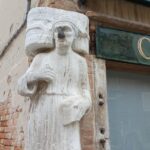
Venice gets a reputation for crowds, but this route intentionally starts in areas where the city feels more like a neighborhood. You’ll begin at the Ghetto Ebraico (Jewish Ghetto of Venice) and walk through the area that historically shaped the Jewish community’s life in Venice. The stop here is short, around 10 minutes, and there’s no admission ticket charge.
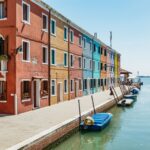
From there, you move into Cannaregio, one of the most lived-in sestieri. You’ll pass through the corridor that connects Venice Santa Lucia station toward the Rialto side, mainly along Strada Nova. What I like about this approach is that it gives you orientation fast. You learn where the big connections are, but you’re not trapped in the busiest lanes right away.
Cannaregio also has a nice mix of old-school shops and modern life. The tour mentions shopping streets like Strada Nova and Lista di Spagna, plus the area’s bar and meeting culture. That’s the sort of context most self-guided walks miss. When you understand how the neighborhoods actually function, Venice stops being a postcard and starts behaving like a real city.
If you prefer a less rushed start, this is the part of the day that sets up your whole experience. And if you hate feeling herded, these calmer streets can be a relief.
San Polo’s Squares and Bacari Culture
Next comes San Polo, the smallest of Venice’s six districts. It’s loved for its relaxed feel and for the way everyday life continues among homes, shops, and working spaces. The tour includes a 30-minute stop here, centered around Campo San Polo, the largest square after San Marco.
Why it matters: Campo San Polo isn’t just a pretty square. It’s framed by stately palaces, and it’s historically been a people’s gathering place for public events and celebrations. Even if you don’t go deep into local history, you can feel the contrast between grandeur and street-level life.
San Polo is also where the bacari (Venetian taverns) energy shows up strongly. The guide doesn’t just point at food; they connect it to how Venetians actually do meals. That’s where the tour feels practical. You’re not just sightseeing. You’re learning how locals snack and socialize.
Rialto Bridge and Rialto Market: Classic Venice, With Direction
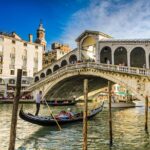
Then you hit the big signal: Ponte di Rialto, the oldest of the four bridges spanning the Grand Canal. The structure was built between 1588 and 1591, replacing an earlier wooden bridge that collapsed and burned on multiple occasions. That sort of story helps you look at the bridge as more than a backdrop for photos.
The bridge itself is a major pinch point for crowds, and the tour’s payoff is that you aren’t just standing there hoping you’ll figure out what to do next. You get context and time planning that keeps you moving. The tour allocates about 1 hour for Rialto, including the bridge and surrounding area.
You’ll also take in the Rialto Market. Markets in Venice are often where the city’s “real” face shows up—produce, daily errands, and the steady rhythm of people who aren’t there for a day-trip checklist. Even if you’re not shopping, it’s an atmosphere shift from the quieter Ghetto streets.
If you’re sensitive to crowds, go slow here. Rialto can be packed at times. Your best move is to stay with the guide, keep moving when asked, and avoid getting stuck at photo bottlenecks. It’s the difference between seeing the area and just surviving it.
A Quiet Grand Canal Viewpoint You’ll Actually Remember
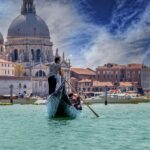
One highlight is included that many tours skip: a less-known viewpoint where you can appreciate an exclusive-looking view of the Grand Canal. The tour doesn’t promise you a famous monument photo, but it offers something more useful: perspective.
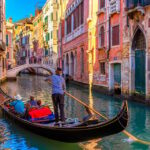
Venice can trick your brain. From one angle, everything looks like the same photo. A viewpoint on the canal helps you understand the geometry of the city—how streets funnel toward water, how buildings stack along the bends, and how boats create movement even when you’re standing still.
This is a great moment to slow down. Bring your phone battery into good shape. If you like photos, this is where you’ll likely get the best payoff without fighting for position in the most famous squares.


Piazza San Marco and the Bridge of Sighs: The Big Show, Timed
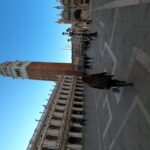
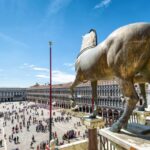
Next up is Piazza San Marco, often called the most beautiful salon in Europe. The tour notes how it was built in the 9th century and paved in 1177. Whether those dates mean much to you or not, the point is simple: this is Venice at full theatrical volume.
The tour also explains an important practical detail: Piazza San Marco is the lowest area of Venice, so it floods first during high water. You’ll be able to see how this affects everything around you—how people navigate the space, how the buildings frame the square, and why Venice treats this place like the center of its identity.
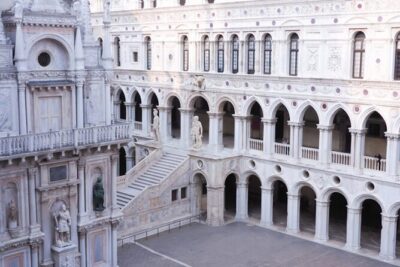
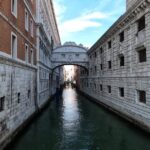
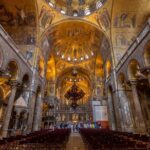
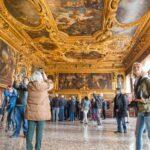
You’ll have about 1 hour in the area and it includes key landmarks around the square. You’ll be surrounded by major buildings such as the Basilica of San Marco, Doge’s Palace, Correr Museum, the Campanile, and the Clock Tower. The tour also brings you to the Bridge of Sighs.
One note that matters for planning: the Basilica of San Marco is not included. So if you want to go inside, treat this as a visual orientation first and decide separately about tickets. The tour itself still gives you the structured “see the core” experience.
Lunch and Cicchetti: How to Eat Like a Venetian (Without Stress)
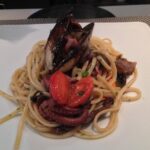
Venice lunch can be a mess if you show up hungry and undecided. This tour avoids that problem by building lunch around a traditional bacaro you’ll reach after the earlier sights. You’ll enjoy excellent traditional Venetian cicchetti there.
What I like about this setup is that it turns lunch into a cultural reset. Cicchetti are snack-sized, meant for wandering and socializing. It’s not a sit-down, formal meal. That fits Venice perfectly. You stop, eat, and keep moving without feeling weighed down.
Also, because the tour has a guide, you’re less likely to end up stuck in the most touristy places with the least local feel. You can focus on eating well and learning what to try. If you’re the type who likes trying several small things rather than committing to one heavy dish, cicchetti is the right move.
Dress for churches if you plan to visit later. The tour reminds you that to visit churches you need covered shoulders and legs. Even if you skip interior visits, Venice often means you pass by church doors and you’ll want options.
Ferry Back Toward the Station: Ending the Day on Water
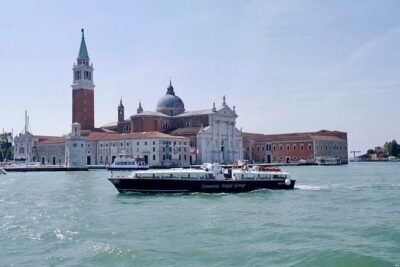
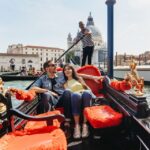
After Piazza San Marco and Bridge of Sighs, the tour shifts back toward practical logistics. You’ll take a ferry boat to reach the rail station. This is more than convenience. In Venice, water transport is part of how the city works, and a ferry ride gives you a final dose of “this is different” energy.
The tour’s final stop is around 30 minutes for the ferry portion. Then you head back to the Padua meeting point to close the loop.
If you’ve been walking all day, this water break helps your legs. It also makes the day feel complete. Venice isn’t only streets; it’s movement across water, and you’ll experience that before you go.
Price and Value: What You’re Paying For
At $150.49 per person, this isn’t a bargain-basement walking tour. But it can be good value if you compare to doing it yourself.
Here’s what you get for the money based on what’s included:
- A guided walk that strings together key neighborhoods (not just one postcard area)
- A tour leader
- Round-trip train transfer from Padua
- The day is planned as a sequence, including ferry transport back toward the station
- Insurance and technical organization via a certified travel agency
The biggest cost-saver is the train transfer. For a day trip, transport can quietly become a big chunk of your budget, especially if you buy tickets last minute or aren’t sure of connections. This tour does that work for you.
What’s not included matters too. Entrance fees are currently noted as not required but can change. Basilica of San Marco is not included, so if you want to go inside, you’ll need to plan for that separately.
Also keep an eye on the Venice day-trip access fee: on some dates, people staying outside Venice who plan to visit for the day may need to pay a €5 access fee. You can check the rules at https://cda.ve.it, and exemptions can apply.
Group Size, Language, and Pace: The Part to Plan For
This tour caps at 10 travelers, which is a real quality signal. Small groups mean fewer bottlenecks, quicker adjustments from your guide, and more flexibility for questions.
The one speed bump is language mix. If your group includes different languages and some information must be translated, the pace can stretch because everyone needs the same message. The upside is that you’re still guided and you won’t feel completely lost; the downside is that you might not hit every stop with the same intensity.
My advice: if you care deeply about time, arrive a little more rested. Use the breaks your guide offers. And don’t plan tight connections after the tour unless you’ve built in buffer time.
Practical Tips That Make This Day Trip Feel Easier
Here’s how to set yourself up for a smoother Venice day:
- Wear walking shoes you can trust. Rialto and San Marco areas involve lots of bridge-and-stair movement.
- Bring a light layer, even in better seasons. Churches and shaded calleways can feel cooler.
- For church visits, make sure you have covered shoulders and legs ready to go.
- If you’re prone to motion sickness, be mindful with boats. The ferry is short, but Venice water rides can still affect you.
- For the €5 access fee rule, check the date in advance so there are no surprises.
Should You Book This Venice from Padua Tour?
If you want a guided day that covers Venice’s big hits without starting with chaos, this is a strong choice. I’d recommend it if you value:
- A structured route that takes you from quiet neighborhoods to major landmarks
- A built-in lunch experience with cicchetti
- A stress-reducing start with train from Padua and a ferry return
You might skip it if you hate long walks, want total freedom to linger at one site, or need guaranteed single-language guidance at a very tight pace. Also, if Basilica of San Marco is a must for you, plan to add that separately since it’s not included here.
Overall, this tour is best for people who like their Venice day organized, locally flavored, and paced by someone who knows how to connect neighborhoods into one coherent story.
FAQ
How long is the Live Venice as a local departing from Padua tour?
The tour lasts about 7 hours 30 minutes.
What’s included in the price?
It includes the walk in Venice, a tour leader, round trip transfer by train from Padua station, traditional Italian life with the local tour leader, and insurance/technical organization by a certified travel agency.
Is the Basilica of San Marco included?
No. The Basilica of San Marco is mentioned as a visit option, but it is not included in the tour.
Do I need to cover my shoulders and legs?
Yes, to visit churches you need covered shoulders and legs.
Is there any extra access fee for Venice?
On certain dates, visitors staying outside Venice who plan to visit for the day may need to pay a €5 access fee. You can check applicable days and exemptions at https://cda.ve.it.
How big is the group?
The tour has a maximum group size of 10 travelers.