REVIEW · JESOLO
From Jesolo: Day Trip to Murano, Burano, and Torcello
Book on GetYourGuide →Operated by Venetoinside - Insidecom · Bookable on GetYourGuide
Three islands on one calm boat ride. You’ll trade the Venice crush for quieter corners of the lagoon, with Murano glass and Burano color as the big reasons to go. It’s a simple day format: boat out, island time, boat back, with an onboard guide to help you spot what you’re looking at.
What I like most is the pace. You don’t get shoved from stop to stop every 20 minutes, so you can actually wander—especially on Burano. I also like the included Murano glass factory demonstration, which gives you context before you start shopping.
One drawback to keep in mind: the day can feel like a “hit the highlights” loop, and Torcello is usually the shortest-feeling stop. If your timing gets squeezed by traffic or pickup, Murano can also feel quick.
In This Review
- Key things that make this trip worth your time
- Price and logistics: how the 7 hours actually play out
- Punta Sabbioni to Murano: what you’ll see before the first island
- Murano glass-making: your hour for Santa Maria e Donato and real demos
- Burano’s two hours of color: lace workshops, embroidery, and photo stops
- Torcello’s quiet hour: cathedral sights, Attila’s Throne, and the Devil’s Bridge
- What the onboard guide does (and doesn’t) do for you
- Boat comfort and timing: the real-world stuff that affects the day
- Value for money: why $35 can work (and when it won’t)
- Who this tour suits best (and who should pick something else)
- Should you book this Murano, Burano, Torcello day trip?
- FAQ
- How long is the day trip?
- Where do I meet the tour?
- What islands are included, and how much time do I get?
- Is the Murano glass demonstration included?
- Are cathedral entrances included?
- Do I need lunch and drinks money?
- What languages will the guide speak?
Key things that make this trip worth your time
- Murano glass demonstration included: you’ll watch artisans at work before you hunt for souvenirs.
- Real exploration time on each island: about an hour in Murano, about two hours in Burano, and about an hour in Torcello.
- Onboard guide with practical pointers: you get history and landmark orientation while you’re sailing.
- Burano lace and embroidery details: shops and workshops often show the craft in motion.
- Torcello is for a slower moment: a quiet, low-traffic pause from Venice culture.
Price and logistics: how the 7 hours actually play out
This is a value-priced day trip for seeing three of the most famous lagoon islands without spending your whole day on schedules and transfers. The headline price is $35 per person for a 7-hour outing, and that includes the boat and an onboard multilingual guide, plus the Murano glass-factory stop.
Here’s the part that matters for your planning: you start at Punta Sabbioni and you meet at the pier area. Your meeting point is Pier number 5 near the All’Ancora Restaurant, looking for the Il Doge di Venezia desk. If you’re staying in Jesolo, expect a short transfer from where you are to Punta Sabbioni—this isn’t a walk-on from central Jesolo docks.
Also, there’s a pickup stop in Venice before heading to Murano. That’s convenient for connecting passengers, but it can affect how much time you feel you get once you land on the islands. If you’re the type who hates surprises, show up early and keep your expectations flexible about exact minute-to-minute timing.
Finally: this is not a private tour, luggage or large bags aren’t allowed, and it isn’t suitable for people with mobility impairments. If you travel light and you like the group-day rhythm, it works well.
Punta Sabbioni to Murano: what you’ll see before the first island
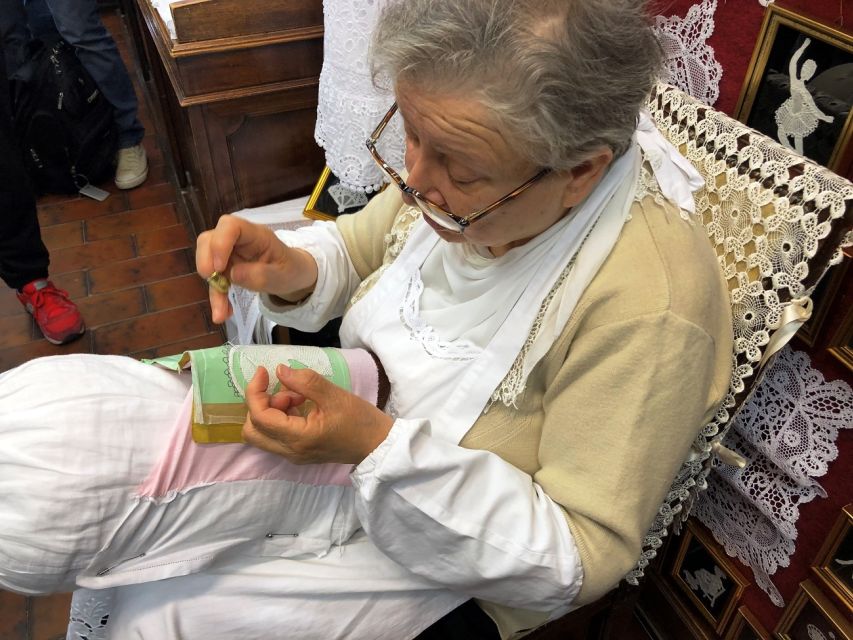
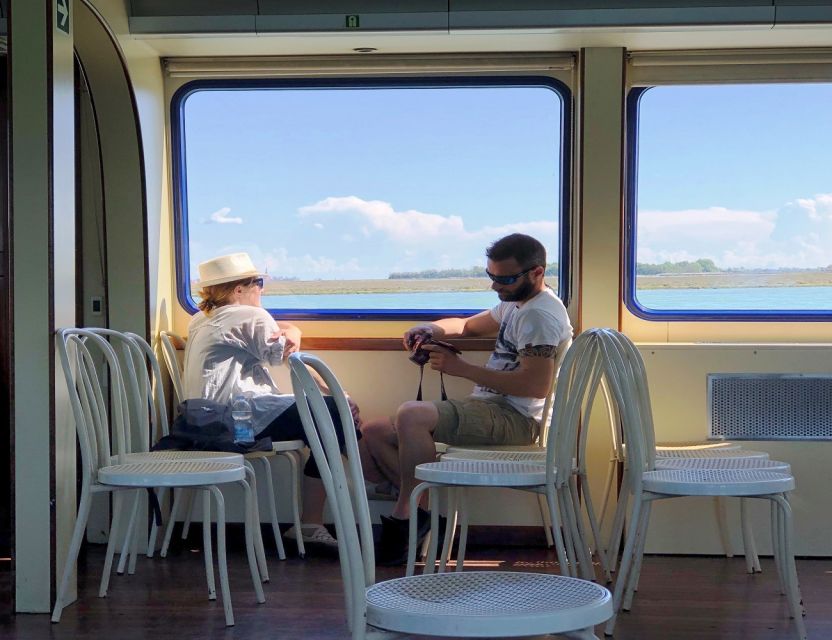
The day starts on the water, not on a bus. The boat is described as comfortable and modern, and the setup lets you choose your vibe—some people like sitting outside for lagoon views, others prefer inside seating for shelter.
While you sail, the guide provides context: you’ll learn about Venice and the islands you’re visiting, which helps the stops make sense once you step off. This is one of the quiet advantages of doing islands in one package—you get a road map without needing to research every canal and church stop ahead of time.
Because there’s a Venice pickup, don’t assume you’ll be in Murano at the very top of your day. In practice, the longer the pickup takes, the more it can compress time on the first island. The trip still gives you about an hour in Murano, but if you’re hoping for a slow, café-and-photo-and-stroll kind of Murano day, you should know that’s not the format here.
Murano glass-making: your hour for Santa Maria e Donato and real demos
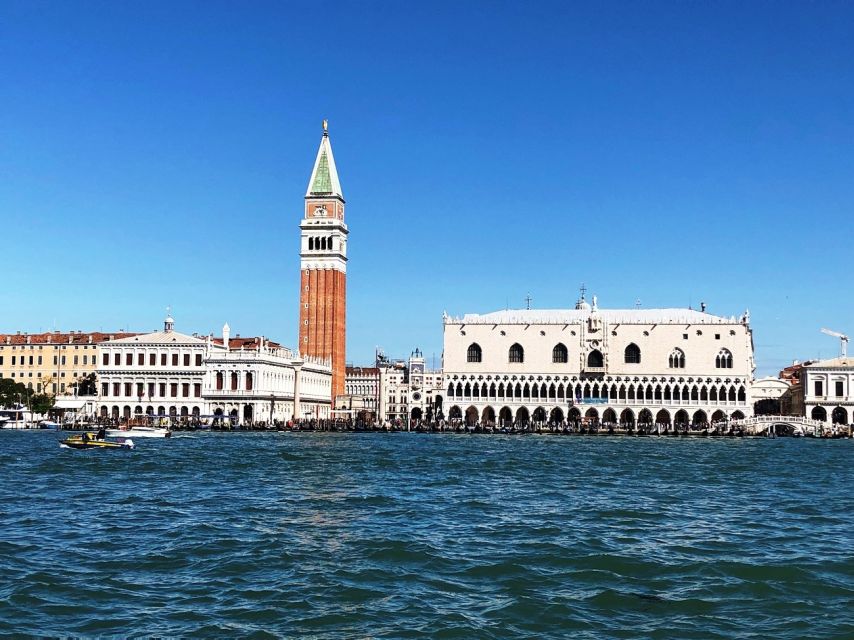
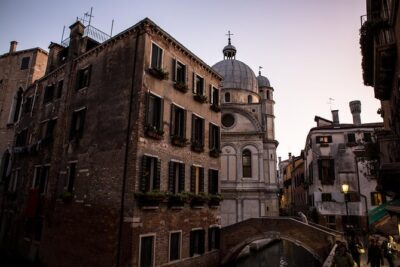
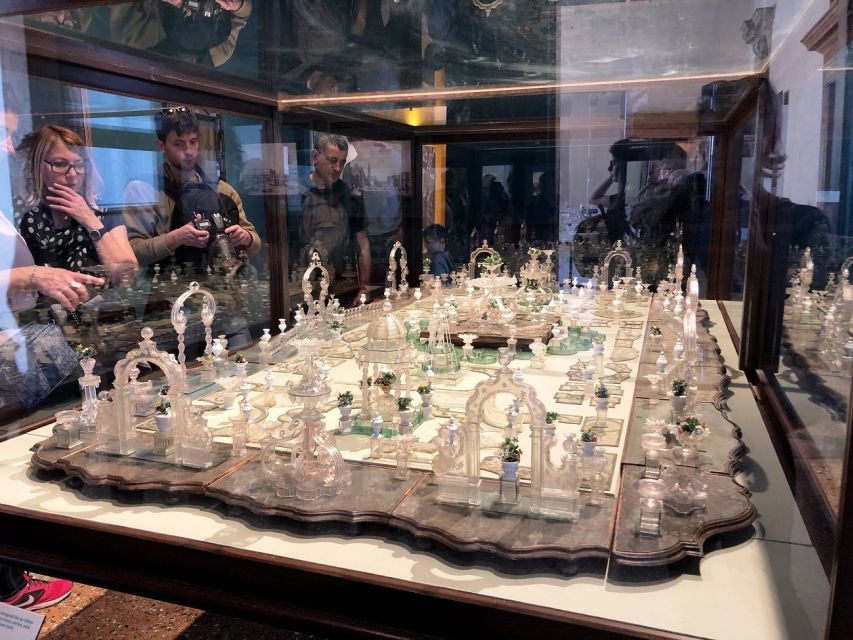
Murano is the island of glass, and the trip gives you the best kind of intro: you don’t just walk through a shop and guess what you’re looking at. You get a Murano glass factory visit with a demonstration, plus time to explore the island on your own.
You’ll have about one hour on Murano itself. Within that window, you can choose your priorities:
- Watch the included demonstration (around 15 minutes).
- Explore the town and shop for glass items (you’ll want to compare craftsmanship and pricing).
- Visit Santa Maria and Donato if your timing lines up.
A heads-up that helps your expectations: one hour is enough to see the highlights and make a purchase, but it’s not enough for a long museum-style day. So I’d recommend a quick strategy before you step off:
- Pick one must-do (demo or cathedral).
- Use the rest of the hour for shopping and a short wander through the streets.
If you love glass, this is where the trip earns its keep. Seeing the demonstration first makes it easier to understand why some pieces cost more than others. And if you’re not a glass buyer, the demo is still a nice way to slow down and watch skilled work up close.
Burano’s two hours of color: lace workshops, embroidery, and photo stops
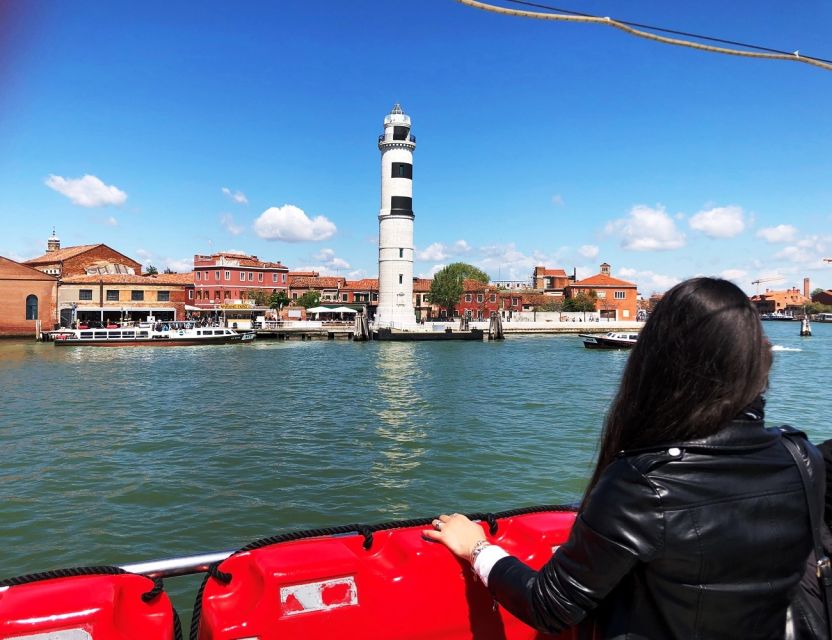
Burano is the part of the day that often feels most relaxing. You get about two hours here, which is long enough to wander without constantly checking the clock.
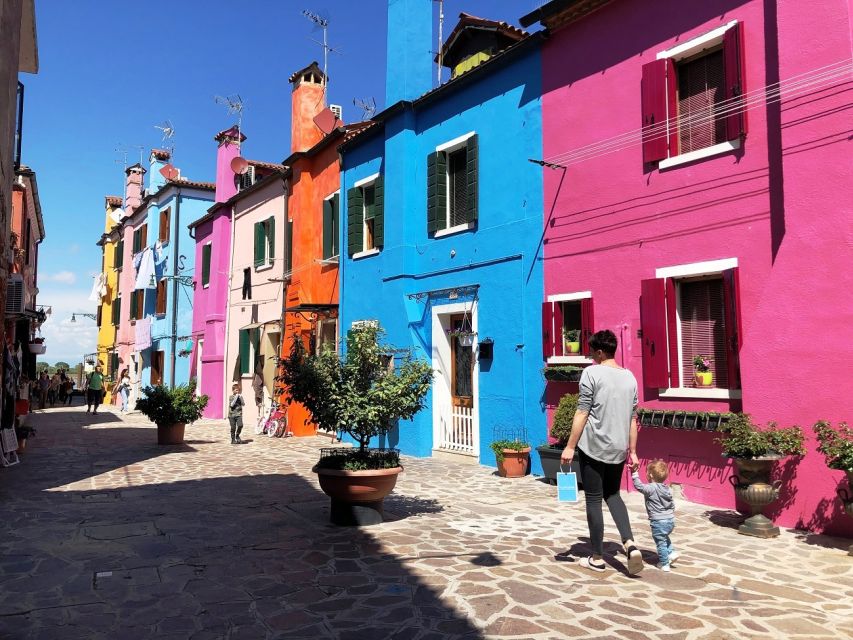
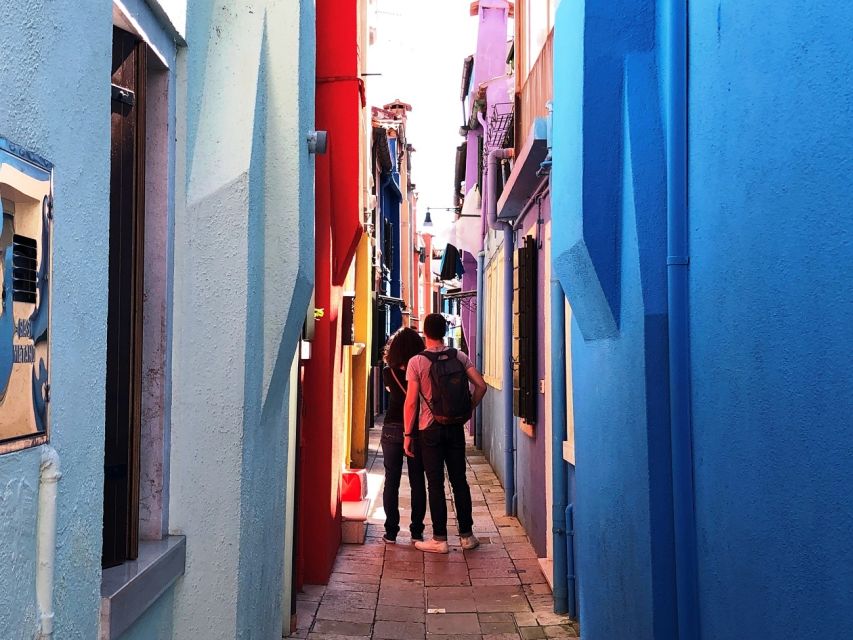
Burano’s main draw is obvious the moment you arrive: the houses are dramatically colored, and the whole island looks like a set designed for postcards. But the better reason to spend time here is that you can slow down and watch the culture that made Burano famous long before tourists arrived.
You’ll have time to:
- Take in views from around the island and photograph the pastel façades and balconies.
- Peruse lace shops.
- Visit workshops where you may see women embroidering and working on lace items.
That craft connection is what makes Burano feel more than just pretty scenery. The lace isn’t a souvenir category—it’s part of everyday work for the island’s identity.
Lunch is flexible. You can eat wherever you like, or take the guide’s onboard tips about choices that fit your budget. Since lunch isn’t included on the trip, plan for an extra stop cost here. The upside is you can pick something quick and simple or sit down and linger.
If you’re trying to choose where to spend your energy, Burano is usually where you’ll feel the payoff from having more time.
Torcello’s quiet hour: cathedral sights, Attila’s Throne, and the Devil’s Bridge
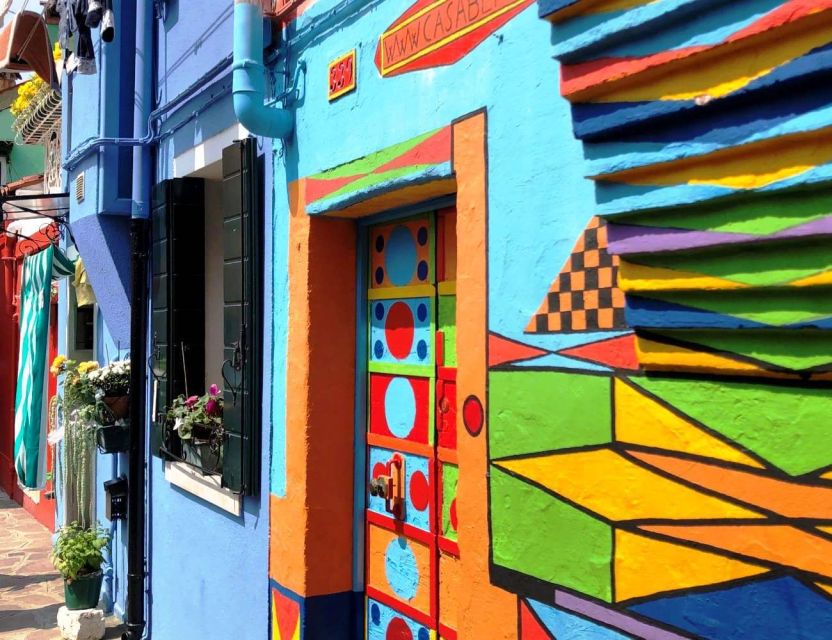
Torcello is the “quiet break” stop at the end of the day. It’s also the one that can feel least satisfying if you’re expecting another Burano-style stroll.
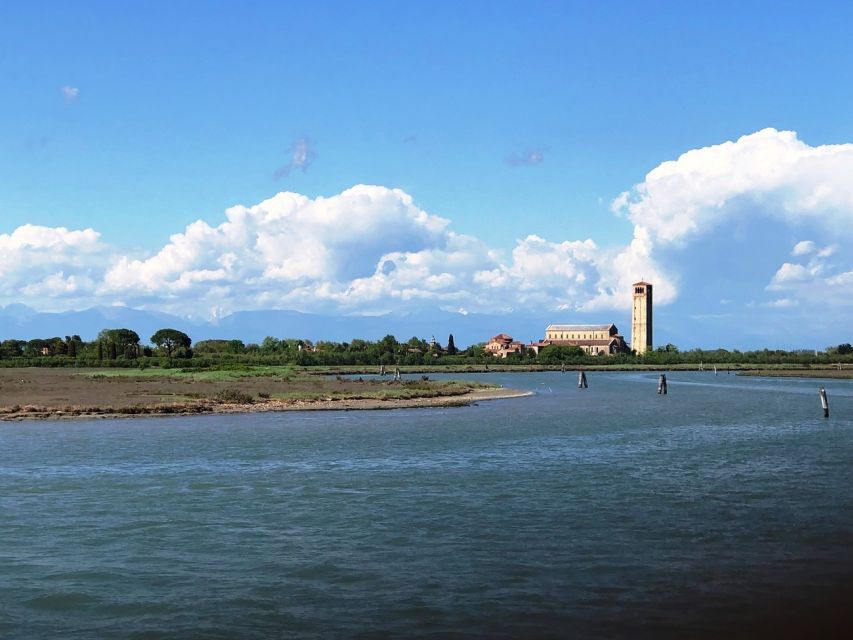
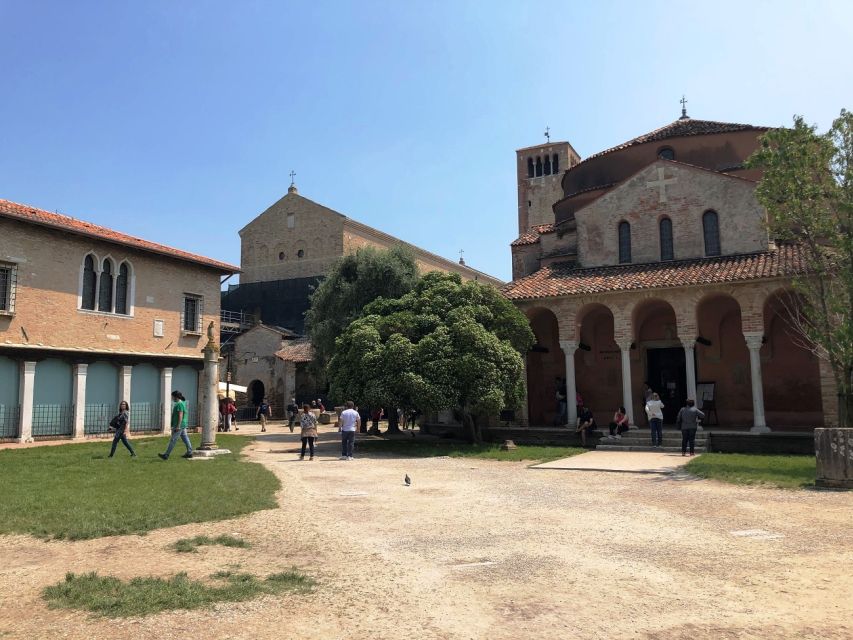
You’ll get about one hour on Torcello. This island used to be the most populated in the Republic of Venice and a major trading hub. Over time, people moved away, and now it’s a small place—so don’t expect crowds or a lot of commercial energy.
Still, it’s worth stepping into the slower pace for the sights:
- The Cathedral of Santa Maria dell’Assunta (note: entrance isn’t included).
- The Devil’s Bridge (a quick landmark visit).
- The Church of Santa Fosca.
- Attila’s Throne, the ancient stone seat you can look for while wandering.
If you want to make Torcello work for you, treat it like a breathing space. Do a calm walk, take a few photos, and decide on the cathedral entrance based on your interest level and the time you have.
Also, a practical point: since the trip format gives you island time but not an island guide walking with you, Torcello’s key features are easier to enjoy if you go in with at least a small mental checklist (cathedral, Devil’s Bridge, Attila’s Throne).
What the onboard guide does (and doesn’t) do for you
The guide is multilingual on the boat—Italian, English, and German are listed. During the sailing portion, they provide overviews and tips to help you understand what you’re seeing on each island.
That’s useful, especially if you want to avoid spending your day scanning maps and reading plaques. The onboard part is the most structured: you get history, landmark orientation, and guidance about where to go and when to return.
But the experience isn’t a fully guided walking tour on the islands. You’ll explore each place on your own, and the guide mostly supports from the boat. That’s why it’s important to manage expectations:
- You’ll get information during sailing.
- You’ll have freedom on the islands.
- You won’t rely on a guide to herd you through each stop.
One more note: because the guide covers multiple languages, some people find the conversation becomes harder to follow if you’re focused on only one language. If you want clear audio, pick a spot where you can hear well, and don’t rely on every detail being perfect.
Boat comfort and timing: the real-world stuff that affects the day
The boat ride is generally described as safe, clean, and not overly squashed. It’s the kind of transport that makes a lagoon day feel like a vacation rather than a transit chore.
That said, ports can get busy. The Venice pickup/drop adds complexity, and when boats crowd into stops, it can feel chaotic at the boarding points. This isn’t a deal-breaker, but it does mean you should:
- Be at the meeting time.
- Know where your return boat is.
- Keep your personal pace steady so you don’t get separated in the rush.
Timing can also swing. If the boat is delayed or the Venice stop takes longer than expected, your first island can feel short. Murano in particular has a “one hour” ceiling, so any loss of time there becomes noticeable fast.
Then there’s the end-of-day logistics question. The trip includes the boat transport, but if you’re continuing onward to Jesolo or back to your accommodation by other means, plan extra buffer. Getting back from the area can be stressful, especially when lots of people are moving at once.
Value for money: why $35 can work (and when it won’t)
For $35, you’re paying for the big cost driver: getting across the lagoon efficiently, plus the structured glass-factory visit. You’re not paying for lunch, and you’re not paying for cathedral entrances (for Torcello), so you should budget extra for meals and any ticketed sights.
If you’re staying near Venice but you’re short on time, the value is clear. Instead of cobbling together multiple ferry rides, you get one organized boat flow with island blocks. You also get the glass demo, which is a more meaningful add-on than a random shop visit.
Where value can drop a bit: if you find that Torcello feels like a quick “pass-through” stop, you may wish you’d booked just the Murano and Burano portion. And if you’re the type who wants slow, long museum walks and long café breaks, this format may feel too tight.
Still, for most people aiming for a first-time lagoon island day, this is a strong way to see the icons in one go—especially because Burano gives you the breathing room that many day tours skip.
Who this tour suits best (and who should pick something else)
This trip fits best if you:
- Want a one-day sampler of Murano, Burano, and Torcello.
- Like getting background on board, then exploring at your own speed.
- Care about glass-making enough to see a demonstration, not just window-shop.
It might not fit if you:
- Use mobility aids or need accessibility support (it’s listed as not suitable for mobility impairments).
- Don’t travel light (large bags aren’t allowed).
- Want a deep, slow dive into just one island. Murano and Burano are both iconic, but this tour spreads your time across all three.
For families or groups, the structure is helpful because it’s easy to understand when you need to be back at the boat. For solo travelers, it’s a nice balance of social energy on the boat and quiet time on the islands.
Should you book this Murano, Burano, Torcello day trip?
I’d book it if you want an easy day out that hits the lagoon’s top names without turning into a logistics project. The combination of boat transport, a real Murano glass demo, and enough island time to wander makes it a solid value buy for a Venice-area trip.
Skip it (or at least consider a shorter alternative) if you know you’ll hate timed-feeling days. Torcello in particular is best approached with the mindset of calm and quiet, not a full-day experience. And if you’re very sensitive to timing, remember the day includes a Venice pickup stop, which can affect how relaxed Murano feels.
If you keep those expectations straight—light luggage, comfortable shoes, and a flexible schedule—you’ll come away with the best kind of lagoon memory: colored houses, glass-making craft, and a surprisingly peaceful island pause.
FAQ
How long is the day trip?
It runs for about 7 hours.
Where do I meet the tour?
You meet at Via Lungomare S. Felice, 1, 30013 Punta Sabbioni VE, Italy, at pier number 5 next to the All’Ancora Restaurant. Look for the Il Doge di Venezia desk.
What islands are included, and how much time do I get?
You visit Murano (about 1 hour), Burano (about 2 hours), and Torcello (about 1 hour).
Is the Murano glass demonstration included?
Yes. The tour includes a visit to a Murano glass factory with a demonstration.
Are cathedral entrances included?
Entrance to the cathedral on Torcello is not included.
Do I need lunch and drinks money?
Lunch and drinks are not included.
What languages will the guide speak?
The onboard guide offers live commentary in Italian, English, and German.