REVIEW · MESTRE
Venice Mestre: M9 Museum Permanent Exhibition Entry Ticket
Book on GetYourGuide →Operated by M9 - Museo del '900 · Bookable on GetYourGuide
M9 in Mestre is history you can touch. This self-guided ticket lets you walk through Italy’s 20th century using interactive displays and multimedia storytelling across the museum’s permanent collection.
I especially like the way it’s designed like a permanent workshop on contemporary life, not a quiet, stuffy hall of artifacts. I also love the focus on how everyday change connects to big forces like politics, economics, and social life. One possible drawback: your ticket is for the permanent exhibition only, so temporary exhibits on other floors may cost extra or take extra planning.
In This Review
- Key highlights to know before you go
- M9 in Venice Mestre: what this 20th-century museum is really like
- Your ticket focus: the permanent exhibition on floors 1 and 2
- How the eight theme sections shape what you learn
- Interactive tech, audio, and video: how M9 keeps the pace moving
- Art appears in unexpected places—keep an eye out
- Temporary exhibitions and the events calendar: what your ticket does and doesn’t cover
- Best way to pace a 1-day visit in Mestre
- Who this experience suits best (and who might not love it)
- Should you book the M9 permanent exhibition ticket?
- FAQ
- What does the M9 ticket include?
- How long is the experience?
- Where do I meet to enter?
- Is the museum closed on certain days?
- Are backpacks allowed inside?
- Is the museum wheelchair accessible?
Key highlights to know before you go
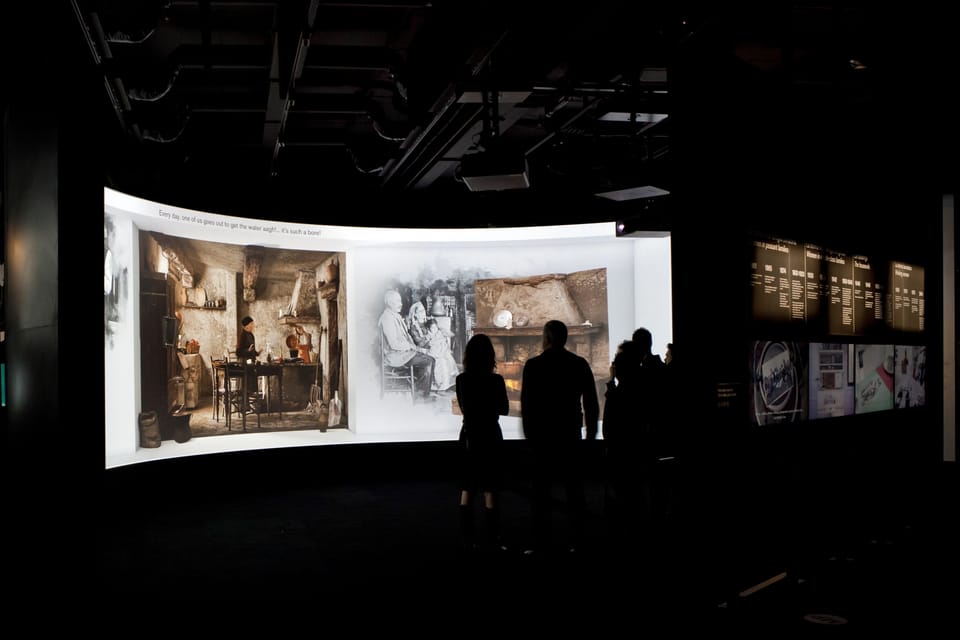
- Two-floor permanent collection in a museum built for modern, hands-on learning
- Eight theme sections that help you understand 20th-century Italy by topic, not just by dates
- Audio, images, and videos that keep the pacing moving through social, political, and cultural shifts
- Self-guided flow with no guided tour included, so you control how long you stay at each stop
- Art and material history in the same conversation, including a Renoir/Monet mention from a verified booking
- Temporary exhibitions and events exist, but your entry is specifically tied to the permanent show
M9 in Venice Mestre: what this 20th-century museum is really like
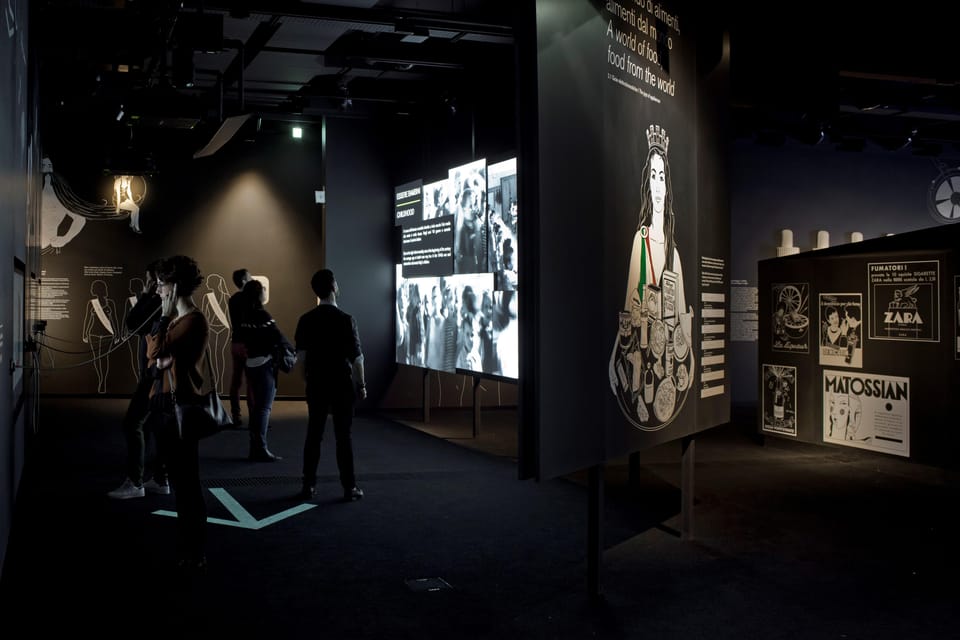
If you think of a museum as glass cases and long reading labels, M9 will reset your expectations. This place works more like an ongoing study room for modern life, where the permanent exhibition is built around the question: how did Italy change during the 20th century—and what did that do to people’s daily routines?
The museum uses a lot of images, audio installations, and videos. That matters because the story isn’t just delivered to you; it’s staged so you can actively connect the dots. When a museum focuses on “material history” (the stuff people used, built, produced, and lived with), history becomes more tangible—less like a lecture, more like a lived-in timeline.
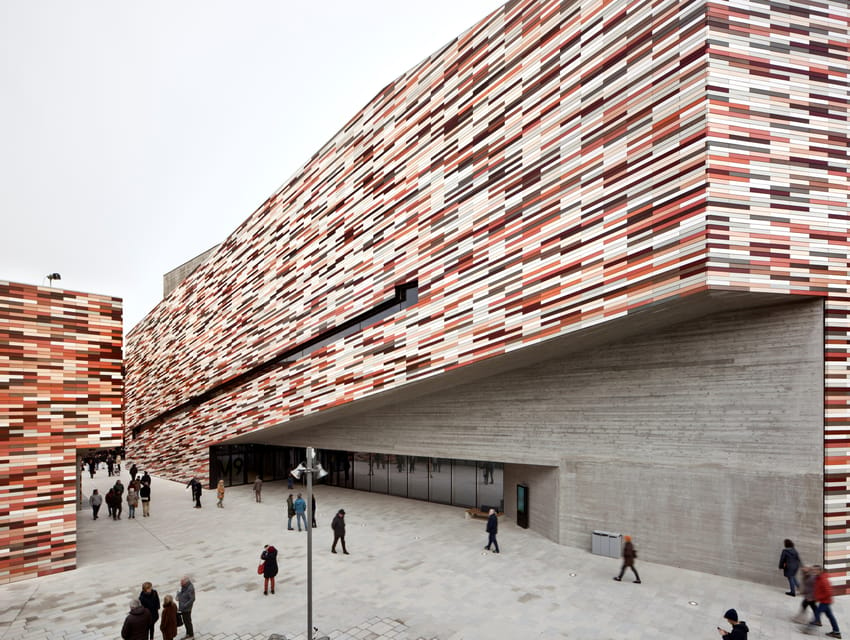
M9 is in Venice Mestre, so it’s a great choice if you want to see something different from the usual Venice highlights. It also helps if you like museums that talk about the present, not only the past, since M9 frames its content as reflection on the present and future.
Your ticket focus: the permanent exhibition on floors 1 and 2
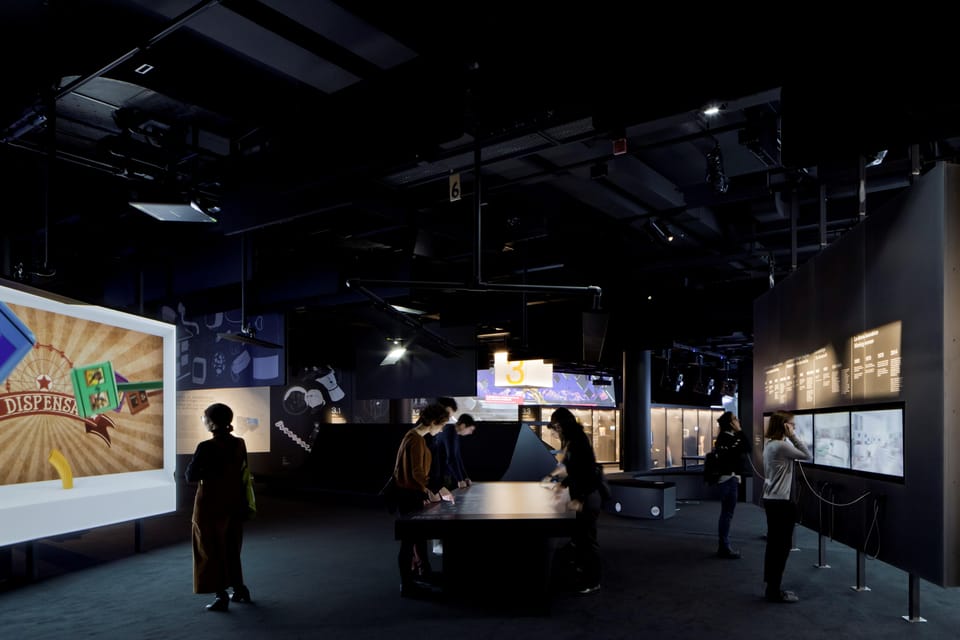
Your M9 ticket is for the permanent exhibition, and that’s the heart of the experience. The permanent collection occupies the first and second floors, and it’s organized into eight theme sections. Instead of walking a single straight gallery line, you’ll move through distinct topic areas that cover social, economic, political, cultural, environmental, and landscape-related changes across the century.
A practical advantage: because the permanent exhibition is the main event, you’re not stuck hunting for the one thing that might be open that day. Even if temporary exhibits are busy or you don’t feel like paying extra, you still have a full museum experience focused on the 20th century in Italy.
Plan your expectations around the fact that the museum is described as not being a traditional museum. That means it may feel more like you’re working through an exhibition lab than attending a formal show. If you enjoy learning through interaction—press a button, listen to an audio segment, watch a short video—this will feel natural. If you prefer quiet, minimal-tech displays, you might want to pace yourself, because the museum can be stimulating.
How the eight theme sections shape what you learn
The permanent exhibition is built to show how Italy’s 20th century wasn’t one clean story. It’s full of competing goals, setbacks, and turning points. The museum highlights demographic change, social structure, political shifts, cultural developments, and environmental and place-based transformation. It also looks at the consequences and challenges that came with ambitions, conquests, threats, and opportunities throughout the century.
That structure is useful because it mirrors how life actually changes. You don’t experience history one event at a time—you experience it through work, schooling, media, housing, technologies, and social attitudes. When M9 organizes by theme, you get a more human picture of the century instead of a date-by-date checklist.
Here’s what I think you’ll get most from this format:
- You’ll recognize patterns across different topics, like how political decisions filter down into culture or how economic shifts reshape daily life.
- You’ll be nudged to connect “big events” to lived realities, especially through material history—what people owned, used, built, and displayed.
- You’ll understand that the 20th century isn’t only about conflict; it includes challenges, ambitions, and everyday adaptation.
This is also where the museum’s “workshop” identity shows up. It asks you to reflect and think forward, since the museum acts as an open house for the local area and for Italy more broadly. Even if you only spend an hour or two, you should leave with sharper questions than answers—like, what parts of the 20th century are still shaping today?
Interactive tech, audio, and video: how M9 keeps the pace moving
M9’s biggest tool is the way it combines new technologies with storytelling. You’ll see how the museum uses audio installations, videos, and images to narrate the permanent collection. There’s an emphasis on user interactivity and immersive visits, which means you likely won’t just passively read and move on.
That design choice is a big deal for value. Museums with heavy text can turn into a “label-reading workout.” Here, the multimedia approach keeps things moving and gives you multiple ways to understand the same topic: listening, watching, and seeing visuals tied to the material evidence.
One small real-world note: because the museum uses many formats, it’s smart to pace yourself. Don’t try to do everything at high speed just to say you covered it. If an audio section catches your interest, pause. If a video is intense or dense, give it a moment to land. This is the kind of museum where a thoughtful rhythm beats a sprint.
Also, the permanent exhibition includes an innovative experiment illustrating the material history of the 20th century in Italy. That kind of exhibit works well if you like learning through a physical or practical demonstration rather than through only narration.
Art appears in unexpected places—keep an eye out
One of the most telling clues from a verified booking is that the permanent exhibition was a highlight, and the visitor specifically mentioned seeing an Excursionist work associated with Renoir and Monet. I can’t guarantee which art pieces will be on view in the same way on every day, but it’s a strong sign that M9 doesn’t treat art as separate from history.
So here’s your practical tip: when you’re inside, don’t treat each section as only political or only social. Scan for the visual works and read the context tied to them. M9’s whole premise is that culture, economics, and material life are braided together. If you’re the type who gets excited when a museum connects art to broader themes, you’ll likely enjoy what you find.
Temporary exhibitions and the events calendar: what your ticket does and doesn’t cover
M9 has temporary exhibitions on the third floor, and the museum spaces have expanded and changed in new museum areas from 2021. It also runs a calendar of events for the general public and educational activities for schools, local residents, and groups described as vulnerable.
But here’s the key booking reality: your entry ticket is for the permanent exhibition only. That doesn’t mean you can’t see what’s happening elsewhere. It means you shouldn’t count on temporary exhibits being included in your price.
So, when you arrive:
- Start with the permanent exhibition floors 1 and 2. That’s your guaranteed value.
- Use the third floor and temporary spaces as a bonus only if the day’s offerings match what you want and if ticketing is available for those specific areas.
If you like museums where the “main show” is strong and the additional content is a flexible extra, this setup can be perfect.
Best way to pace a 1-day visit in Mestre
You’ve got a ticket valid for 1 day, and starting times depend on availability. The museum is closed on Mondays and Tuesdays, so check the calendar before you plan your day in Mestre.
Because you’re self-guided, your pacing is your tool. I suggest you think in “layers”:
- First layer: follow the flow of the eight theme sections without trying to absorb everything.
- Second layer: pick 1–2 sections where you slow down and really sit with the audio/video material.
- Third layer: if you still have time, check temporary exhibition spaces on the third floor—only if your ticket covers what’s on there that day.
A good target is to give the permanent exhibition enough time that you can actually connect the themes. If you rush, M9 can feel like a lot of information at once. If you go calmly, it becomes a clear map of how Italy changed and how people adapted.
And one more small detail that matters for comfort: backpacks are not allowed. That’s worth planning around so you don’t lose time figuring out where to store your things.
The meeting point is straightforward: look for the revolving door entrance. That can save you stress when you’re already tired from walking around Mestre.
Who this experience suits best (and who might not love it)
M9 is ideal if you:
- Like museums that connect history to real life through technology and interactive content
- Want a structured overview of 20th-century Italy with topic-based sections
- Prefer self-guided pacing over a fixed group tour
- Are curious about social, political, and cultural changes—especially as they show up in everyday material life
It might be less ideal if you:
- Want a classic, quiet museum with minimal multimedia
- Need everything to be fully included and don’t want to think about temporary exhibition ticketing
- Rely on bringing a backpack (since backpacks aren’t permitted)
If you’re in Venice Mestre for a day and want a break from canals and churches, M9 can be a smart use of time—especially because it gives you a new lens on modern Italy rather than repeating what most first-time Venice itineraries cover.
Should you book the M9 permanent exhibition ticket?
For most people, yes—if what you want is a high-value, self-guided look at the 20th century in Italy, this ticket fits well. The permanent exhibition takes center stage on two floors and is organized into clear theme sections with lots of audio-visual support. At $14 per person, it’s a good deal if you’ll actually spend time with the material and not just pass through.
I’d book it if you enjoy learning through interaction and if you like museums that don’t treat history as a distant story. I’d think twice if you’re only interested in temporary exhibitions, or if you strongly prefer traditional gallery layouts with fewer screens and audio elements.
If you want one practical decision rule: commit to the permanent exhibition first. Then let temporary exhibits be a bonus only if the setup and pricing work for your day.
FAQ
What does the M9 ticket include?
Your entry ticket covers the permanent exhibition. Temporary exhibitions are not included.
How long is the experience?
It’s listed as lasting 1 day.
Where do I meet to enter?
Look for the revolving door entrance.
Is the museum closed on certain days?
Yes. The museum is closed on Mondays and Tuesdays.
Are backpacks allowed inside?
No. Backpacks are not allowed.
Is the museum wheelchair accessible?
Yes. The venue is listed as wheelchair accessible.